

When designing electrical systems for automotive, industrial, medical, or aerospace applications, choosing the right wire type is critical for performance, reliability, and longevity. As a leading custom wire harness manufacturer with over 15 years of experience, Ouketech engineers often help clients select between stranded wire and solid wire based on their specific application requirements.
In this guide, we compare stranded vs. solid wire, their key differences, advantages, disadvantages, and ideal use cases to help you make the right decision for your electrical project.
What Is Solid Wire?
Solid wire (or solid-core wire) consists of a single, solid strand of copper or aluminum conductor. It is rigid, durable, and offers consistent electrical performance in static applications.
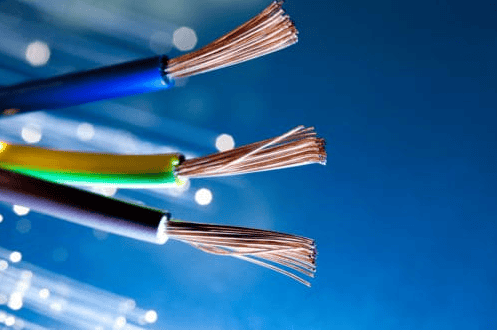
Key Characteristics of Solid Wire:
- Single conductor construction
- Rigid and holds shape well
- Lower cost than stranded wire
- Higher current carrying capacity for the same gauge
- More susceptible to metal fatigue from repeated bending
Common Uses:
- Permanent indoor electrical wiring (residential and commercial buildings)
- Circuit board connections
- Short, static wiring runs in controlled environments
- Power distribution in fixed equipment
What Is Stranded Wire?
Stranded wire is composed of multiple small gauge wires twisted together to form a single conductor. This construction makes it highly flexible and resistant to vibration and metal fatigue.
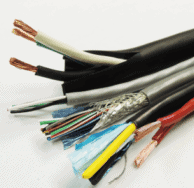
Key Characteristics of Stranded Wire:
- Multiple thin strands twisted together
- Highly flexible and resistant to bending and vibration
- Higher cost than equivalent gauge solid wire
- Slightly higher resistance due to the “skin effect” at high frequencies
- Larger overall diameter for the same current carrying capacity
Common Uses:
- Automotive wiring harnesses for vehicles and transportation systems
- Robotics and industrial automation equipment with moving parts
- Aerospace and avionics systems subject to vibration and movement
- Medical device wiring for diagnostic equipment and portable medical tools
- Applications requiring frequent bending or flexing
Stranded vs. Solid Wire: Head-to-Head Comparison
Let’s compare the two wire types across the most critical performance factors:
| Factor | Solid Wire | Stranded Wire |
|---|---|---|
| Flexibility | Poor: Rigid, breaks after repeated bending | Excellent: Withstands thousands of bending cycles |
| Vibration Resistance | Poor: Susceptible to fatigue and breakage from vibration | Excellent: Multiple strands absorb vibration without damage |
| Cost | Lower: Simple manufacturing process | Higher: More complex stranding process increases cost |
| Current Capacity | Slightly higher: Solid conductor has more conductive material | Slightly lower: Air gaps between strands reduce effective cross-section |
| Resistance (DC) | Lower: Continuous conductor has uniform resistance | Slightly higher: Strand interfaces create minor resistance |
| High Frequency Performance | Better: No skin effect losses at frequencies under 100 kHz | Slightly worse: Skin effect increases resistance at RF frequencies |
| Installation Ease | Easier in static runs: Stiffness makes it easy to run through conduit | Easier in complex layouts: Flexibility allows routing around obstacles |
| Durability | Excellent in static applications: No movement means no wear | Excellent in dynamic applications: Flexibility prevents breakage |
| Corrosion Resistance | Better: Fewer surfaces exposed to oxidation | Slightly worse: Strands can trap moisture leading to corrosion |
When to Use Solid Wire
Solid wire is the ideal choice for applications where the wire will remain stationary and not subject to movement or vibration:
Best Applications for Solid Wire:
- Building Electrical Wiring: Permanent indoor wiring for outlets, lighting, and power circuits
- Control Panel Wiring: Static wiring inside industrial control cabinets and equipment
- PCB Connections: Short jumper wires on printed circuit boards
- Telecommunications Infrastructure: Fixed wiring in telephone exchanges and network closets
- Low-Frequency Power Transmission: Static power distribution in fixed equipment
Advantages of Solid Wire:
- Lower material cost
- Easier to terminate with crimp or solder connections
- More consistent electrical performance
- Better corrosion resistance in dry environments
When to Use Stranded Wire
Agent: main | Model: doubao-seed-2.0-pro | Provider: arkcode
Stranded wire is the better choice for any application involving movement, vibration, or complex routing:
Best Applications for Stranded Wire:
- Automotive Wiring Harnesses: Vehicle wiring is subject to constant vibration, movement, and temperature cycling. Stranded wire is the industry standard for all automotive electrical systems.
- Industrial Automation and Robotics: Robotic arms, moving machinery, and automated production equipment require wiring that can withstand repeated flexing and vibration.
- Aerospace and Avionics: Aircraft systems experience extreme vibration, temperature changes, and movement during flight, making stranded wire the only viable option.
- Medical Device Wiring: Medical equipment such as patient monitors, diagnostic devices, and portable medical tools often require flexible wiring that can withstand repeated handling and movement.
- Portable Electronic Devices: Consumer electronics, power tools, and portable equipment benefit from the flexibility and durability of stranded wire.
- Complex Equipment Wiring: Any application requiring routing through tight spaces, around corners, or moving parts will perform better with stranded wire.
Advantages of Stranded Wire:
- Superior flexibility and bend resistance
- Excellent vibration and shock resistance
- Easier to route through complex layouts and tight spaces
- Resistant to metal fatigue and breakage in dynamic applications
- Available in multiple strand counts for different flexibility requirements (more strands = higher flexibility)
Common Wire Gauge Considerations
Both stranded and solid wire are available in standard AWG (American Wire Gauge) sizes. When selecting wire gauge:
- For the same current carrying capacity, stranded wire will have a slightly larger overall diameter than solid wire
- Voltage drop calculations are the same for both types, though stranded wire has marginally higher resistance per foot
- Ampacity ratings are nearly identical for both types at typical operating temperatures
Custom Wire Harness Solutions from Ouketech
At Ouketech, we design and manufacture custom wire harnesses using the optimal wire type for each application. Our engineering team will help you select between stranded and solid wire based on your performance requirements, environmental conditions, and budget.
Our Wire Harness Capabilities:
- Custom conductor selection: Copper, tinned copper, silver-plated copper, or aluminum conductors
- Insulation materials: PVC, XLPE, silicone, Teflon, and specialized high-temperature insulations
- Strand count options: From 7 strands (standard flexibility) to 100+ strands (ultra-high flexibility)
- Full testing: 100% continuity, insulation resistance, and hi-pot testing on all assemblies
- Certifications: IATF 16949, ISO 9001, and ISO 13485 certified manufacturing for automotive, medical, and industrial applications
Whether you need a simple static wiring harness using solid wire or a complex high-flex harness for aerospace applications, our team can deliver a custom solution tailored to your exact specifications.
Frequently Asked Questions
Q: Can I use stranded wire instead of solid wire for house wiring?
A: While technically possible, building codes typically require solid wire for permanent residential wiring due to its lower cost and better performance in static applications. Stranded wire is allowed in some commercial applications where specified.
Q: Which wire type is better for automotive applications?
A: Stranded wire is always used in automotive applications due to its ability to withstand vibration, temperature cycling, and movement without breaking. Solid wire would fail quickly in a vehicle environment.
Q: Does stranded wire carry more current than solid wire of the same gauge?
A: No, solid wire actually has slightly higher current carrying capacity for the same AWG size because it has more conductive material. The difference is minimal for most low-frequency applications.
Q: Why is stranded wire more expensive?
A: The stranding process adds manufacturing complexity. Higher strand counts for increased flexibility require even more processing steps, further increasing cost.
Q: Which wire type is better for high-frequency applications?
A: Solid wire performs better at frequencies above 100 kHz due to reduced skin effect losses. For RF applications, specialized coaxial cables often use silver-plated solid conductors for optimal performance.
Need Help Selecting the Right Wire for Your Project?
The choice between stranded and solid wire depends entirely on your application requirements. If you’re unsure which wire type is best for your custom wire harness or cable assembly, the engineering team at Ouketech is here to help.
Contact us today to discuss your project requirements and get a free, no-obligation quote within 24 hours. We provide end-to-end support from design and prototyping to mass production, with strict quality control at every stage.