

Coaxial cables are the unsung heroes of modern connectivity, transmitting high-frequency signals with minimal interference across applications from telecommunications to aerospace. As a leading custom cable assembly manufacturer with over 15 years of industry experience, Ouketech produces high-performance coaxial cable solutions tailored to the unique needs of automotive, medical, industrial, and telecommunications industries.
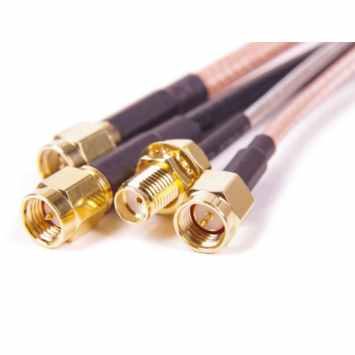
Figure 1: High-quality custom coaxial cable assemblies from Ouketech
In this comprehensive guide, we break down the most common types of coaxial cables, their key characteristics, applications, and how to select the right option for your project.
A coaxial (or “coax”) cable consists of four core components:
What Is a Coaxial Cable?
Related OUKETECH resources: custom telecom cable assemblies.
- Inner conductor: Solid or stranded copper wire that carries the signal
- Dielectric insulator: Plastic layer that maintains spacing between the inner conductor and shield
- Metallic shield: One or more layers of aluminum foil or braided copper that block electromagnetic interference (EMI)
- Outer jacket: Protective PVC or Teflon layer that shields against environmental damage
This unique design allows coaxial cables to transmit high-frequency signals over long distances without signal loss or interference, making them ideal for applications where signal integrity is critical.
Most Common Types of Coaxial Cables
Coaxial cables are classified by their impedance (measured in ohms), RG (Radio Guide) rating, and construction. Below are the most widely used types:
1. RG-6 Coaxial Cable
- Impedance: 75 ohms
- Core characteristics: 18 AWG solid copper conductor, dual foil/braid shielding
- Key benefits: Low signal loss, high bandwidth capacity, affordable
- Common applications:
- Cable television (CATV) distribution
- Satellite TV installations
- Broadband internet (cable modem)
- CCTV and security camera systems
- Residential audio/video systems
RG-6 is the most common coaxial cable for residential and commercial AV installations, supporting frequencies up to 3 GHz.
2. RG-11 Coaxial Cable
- Impedance: 75 ohms
- Core characteristics: Thicker 14 AWG conductor, heavy-duty shielding
- Key benefits: Lower signal attenuation than RG-6, supports longer transmission distances
- Common applications:
- Long-distance cable TV trunk lines
- Commercial building backbone installations
- Outdoor CCTV systems requiring long cable runs
- High-bandwidth signal distribution
RG-11 can transmit signals up to 50% farther than RG-6, making it ideal for large commercial installations where distance is a factor.
3. RG-58 Coaxial Cable
- Impedance: 50 ohms
- Core characteristics: 20 AWG stranded copper conductor, single braided shield
- Key benefits: Flexible, easy to terminate, cost-effective for short runs
- Common applications:
- Ethernet networks (10BASE2)
- Amateur radio (ham radio) installations
- Test and measurement equipment
- Short-range CCTV systems
- Low-power RF signal transmission
RG-58 is the standard 50-ohm cable for general-purpose RF applications requiring short to medium cable runs.
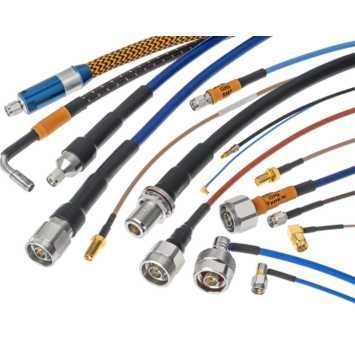 Figure 2: Various coaxial cable types for different industrial applications
4. RG-59 Coaxial Cable
- Impedance: 75 ohms
- Core characteristics: 22 AWG solid conductor, single foil shield
- Key benefits: Low cost, thin and flexible for tight installations
- Common applications:
- Analog CCTV systems
- Standard definition video transmission
- Short-distance AV connections
- Older residential cable TV installations
Note: RG-59 is not recommended for high-definition video or modern broadband applications due to higher signal loss at higher frequencies.
5. RG-213 Coaxial Cable
- Impedance: 50 ohms
- Core characteristics: 13 AWG stranded copper conductor, dual braided shielding
- Key benefits: High power handling capability, low loss at high frequencies
- Common applications:
- High-power radio transmitters
- Broadcast and telecommunications infrastructure
- Radar systems
- Marine and aerospace communication systems
- Long-range RF signal transmission
RG-213 can handle up to 1.5 kW of power at frequencies up to 1 GHz, making it suitable for high-power broadcast applications.
6. LMR Series Coaxial Cables
- Impedance: 50 ohms (standard)
- Core characteristics: Low-loss foam dielectric, dual aluminum foil/copper braid shielding
- Key benefits: Extremely low signal attenuation, high power handling, weather-resistant
- Common variants: LMR-195, LMR-240, LMR-400, LMR-600
- Common applications:
- Cellular tower installations
- GPS and satellite communication systems
- High-speed data transmission
- Military and defense communication systems
- Long-range Wi-Fi and wireless network installations
LMR cables are premium low-loss alternatives to standard RG cables, offering up to 50% lower signal attenuation for long-distance applications.
7. Hardline Coaxial Cable
- Impedance: 75 ohms
- Core characteristics: Thick copper or aluminum outer conductor, rigid construction
- Key benefits: Extremely low signal loss, high power handling, weather-resistant
- Common applications:
- Cable television headend distribution
- Telecommunications backbone infrastructure
- High-power broadcast transmitter connections
- Long-distance trunk lines between cities
Hardline coax is used for the highest-demand applications where signal loss must be minimized over extremely long distances.
Key Factors When Selecting Coaxial Cable
1. Impedance Matching
Most coaxial cables are either 50 ohms or 75 ohms:
- 50 ohms: Ideal for data transmission, radio transmitters, and test equipment
- 75 ohms: Standard for video, cable TV, and broadband internet applications
Agent: main | Model: doubao-seed-2.0-pro | Provider: arkcode
Always match the cable impedance to your equipment impedance to avoid signal reflections and loss.
2. Signal Attenuation
Attenuation (signal loss) is measured in dB per 100 feet and increases with frequency and cable length. For long runs, select cables with lower attenuation ratings such as RG-11 or LMR series.
3. Shielding Type
- Single foil shield: Basic protection for low-interference environments
- Dual foil/braid shield: 90%+ coverage for moderate EMI environments
- Triple/quad shield: Maximum protection for industrial, medical, or high-interference environments
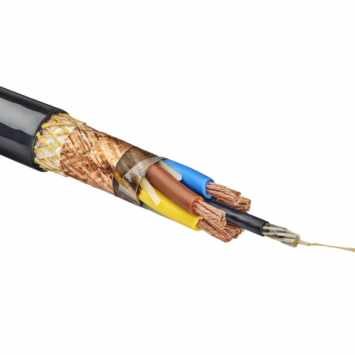 Figure 3: Multi-layer shielding construction for high-interference environments
4. Environmental Rating
- PVC jacket: Indoor use only, low cost, flexible
- Plenum-rated jacket: Low smoke, fire-resistant for installation in air handling spaces
- UV-resistant jacket: Outdoor use, withstands sunlight, temperature extremes, and moisture
- Armored jacket: Industrial and underground installations, protects against physical damage, rodents, and crushing
5. Frequency Range
Ensure the cable supports the frequency range of your application:
- Standard RG cables: Up to 3 GHz
- LMR cables: Up to 6 GHz
- Specialized coaxial cables: Up to 40+ GHz for high-frequency applications
Custom Coaxial Cable Solutions from Ouketech
Standard off-the-shelf coaxial cables may not meet the unique requirements of specialized applications in automotive, medical, aerospace, or industrial sectors. Ouketech provides fully customized coaxial cable assemblies tailored to your exact specifications:
Our Customization Capabilities:
- Custom lengths and termination: Connectors (SMA, BNC, N-type, F-type, custom) crimped or soldered to your required length
- Specialized jacketing: Fire-resistant, low-smoke zero-halogen (LSZH), medical-grade, high-temperature, and chemical-resistant options
- Custom shielding: Multiple shield layers for high-EMI environments, radiation-resistant shielding for medical and aerospace applications
- Environmental sealing: IP67/IP68 rated connectors and overmolding for outdoor and harsh environment use
- Performance testing: 100% electrical testing for continuity, insulation resistance, and signal integrity before shipment
Typical Custom Applications:
- Automotive infotainment and ADAS system coaxial cables
- Medical imaging equipment (MRI, CT scan) high-frequency cables
- Aerospace and avionics communication systems
- Industrial automation and robotic control signal cables
- Telecommunications infrastructure equipment cables
All our coaxial cable assemblies are manufactured in our IATF 16949, ISO 9001, and ISO 13485 certified facility, with strict quality control at every production stage to ensure zero defects.
Frequently Asked Questions
Q: What’s the difference between 50 ohm and 75 ohm coaxial cable?
A: 50 ohm cables are optimized for data transmission and high-power radio applications, while 75 ohm cables are the standard for video, cable TV, and broadband internet. Using the wrong impedance will cause signal reflections and degraded performance.
Q: How far can I run coaxial cable before signal loss becomes a problem?
A: It depends on the cable type and frequency:
- RG-6: Up to 150 feet at 1 GHz
- RG-11: Up to 300 feet at 1 GHz
- LMR-400: Up to 500 feet at 1 GHz
For longer runs, consider signal amplifiers or fiber optic alternatives.
Q: Can I use RG-6 instead of RG-59?
A: Yes, RG-6 is actually a better choice for most applications, offering lower signal loss and better shielding than RG-59, especially for high-definition video and broadband applications.
Q: Are coaxial cables still used with fiber optics?
A: Yes, coaxial cables are still widely used for short-distance connections, RF applications, and last-mile connectivity, while fiber optics are used for long-distance high-bandwidth backbone connections.
Need Custom Coaxial Cable Assemblies?
Whether you need a standard off-the-shelf coaxial cable or a fully customized solution for a specialized application, the engineering team at Ouketech can help. We provide end-to-end support from design and prototyping to mass production, with fast turnaround times and competitive pricing.
Contact our team today to discuss your coaxial cable requirements and get a free, no-obligation quote within 24 hours.