

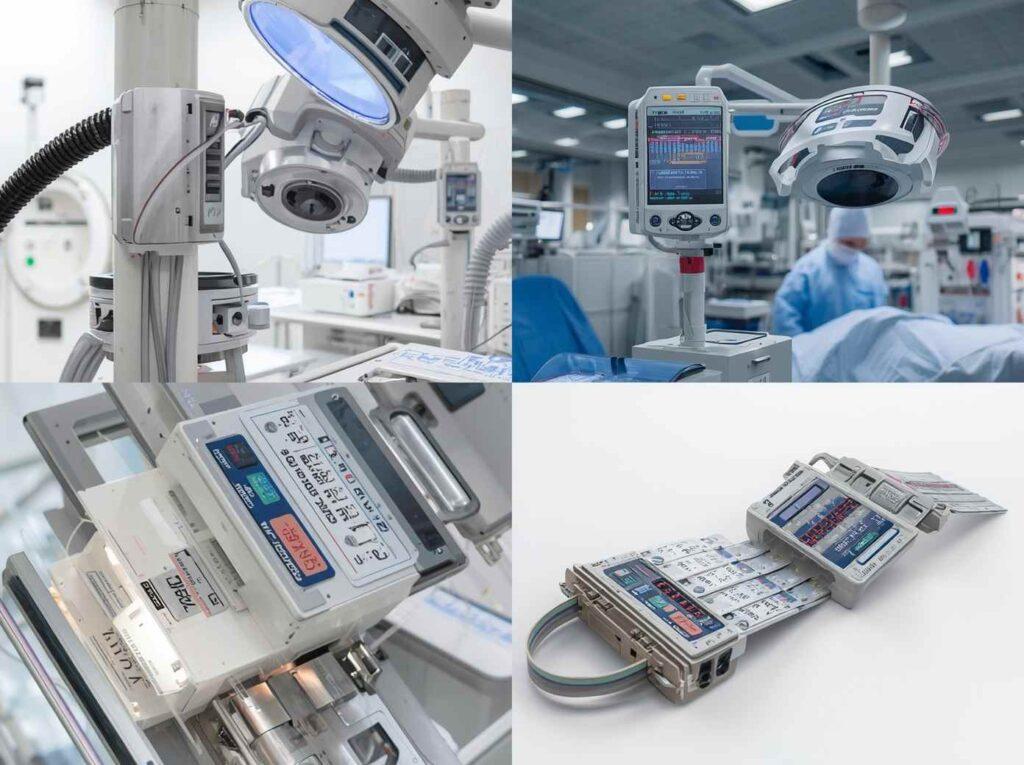
Medical equipment depends on electrical connections that remain reliable throughout assembly, operation, cleaning, and servicing. A loose terminal, damaged conductor, or incorrect connection can interrupt power, distort a sensor signal, or create an intermittent fault that is difficult to diagnose.
A medical wire harness is an organized assembly of wires, cables, terminals, connectors, and protective materials designed to carry power and signals within medical equipment. It is crucial because its electrical performance, routing, and connection quality help equipment operate consistently while supporting controlled manufacturing and maintenance.
For equipment manufacturers and OEM purchasing teams, choosing a harness involves more than matching connector shapes and wire lengths. The assembly must fit the device, handle its electrical loads, and meet the inspection and documentation requirements defined for that application.
This guide explains how medical wire harnesses work, where they are used, and what buyers should establish before requesting a quotation.
What Is a Medical Wire Harness?
A medical wire harness connects electrical components within a medical device or between its modules. It combines individual circuits into a defined assembly with controlled lengths, branch locations, terminations, and identification. Depending on the design, it may connect power supplies, circuit boards, displays, sensors, fans, motors, switches, or other components.
A typical harness may include:
- Insulated wires selected for the electrical load and installation environment.
- Connectors and terminals matched to the mating components.
- Cable ties, sleeving, or other routing protection.
- Shields and grounding connections where required.
- Labels for circuit identification and traceability.
- Strain relief at locations exposed to handling or movement.
The term “medical” describes the intended application. It does not, by itself, establish a universal material specification, sterilization requirement, or product approval.
An internal harness inside a protected enclosure may have very different requirements from an external cable handled between patients. Buyers evaluating custom medical wire harnesses should start by defining that installation environment.
Is a Medical Wire Harness the Same as a Medical Cable Assembly?
The terms overlap, and suppliers may use them differently. In practice, a wire harness often organizes several circuits and branches, while a cable assembly often connects two interfaces through a jacketed cable.
A medical device may use both: an internal harness linking several modules and an external cable connecting a detachable accessory.
For procurement, the drawing, pinout, and acceptance criteria matter more than the product label.
Why Are Medical Wire Harnesses Crucial for Medical Equipment?
A medical wire harness helps preserve the electrical connections that equipment needs to perform its intended functions. Its design can reduce connection errors, protect wiring from mechanical damage, and support repeatable assembly. Its importance depends on the connected circuit: a lighting connection and a power connection serving a critical subsystem do not carry the same consequences of failure.
Reliable Power Distribution
Wire size, terminal selection, connection resistance, and routing all affect power delivery.
A connection with excessive resistance can produce unwanted heat or voltage drop. An intermittent connection may cause resets or interrupt a connected module. Appropriate conductor sizing and properly controlled terminations help reduce these risks.
Selection should account for actual operating conditions, including load, wire length, ambient temperature, and bundling.
Consistent Signal Transmission
Sensor and communication circuits can be affected by electrical noise and poor interconnections.
Where sensitive signals share an enclosure with motors, switching power supplies, or other noise sources, the harness design may require separation, twisted pairs, shielding, or controlled grounding.
Shielding is only one part of the solution. Its effectiveness also depends on connector interfaces, shield termination, and the equipment’s grounding arrangement. For relevant projects, custom shielded cable assemblies can be evaluated as part of the complete signal path.
Repeatable Equipment Assembly
Defined branch lengths, connector keying, and readable labels help assembly teams install the same configuration consistently.
This becomes particularly useful when several connectors look similar or when the enclosure provides limited access. A harness that is easy to install correctly can reduce rework and simplify final equipment inspection.
More Predictable Servicing
Clear identification and accessible connections help technicians locate and replace assemblies.
However, serviceability requires deliberate design. A compact harness may save space while making a connector difficult to release. OEM teams should review installation and removal before approving the final layout.
How Does a Medical Wire Harness Differ From a General-Purpose Harness?
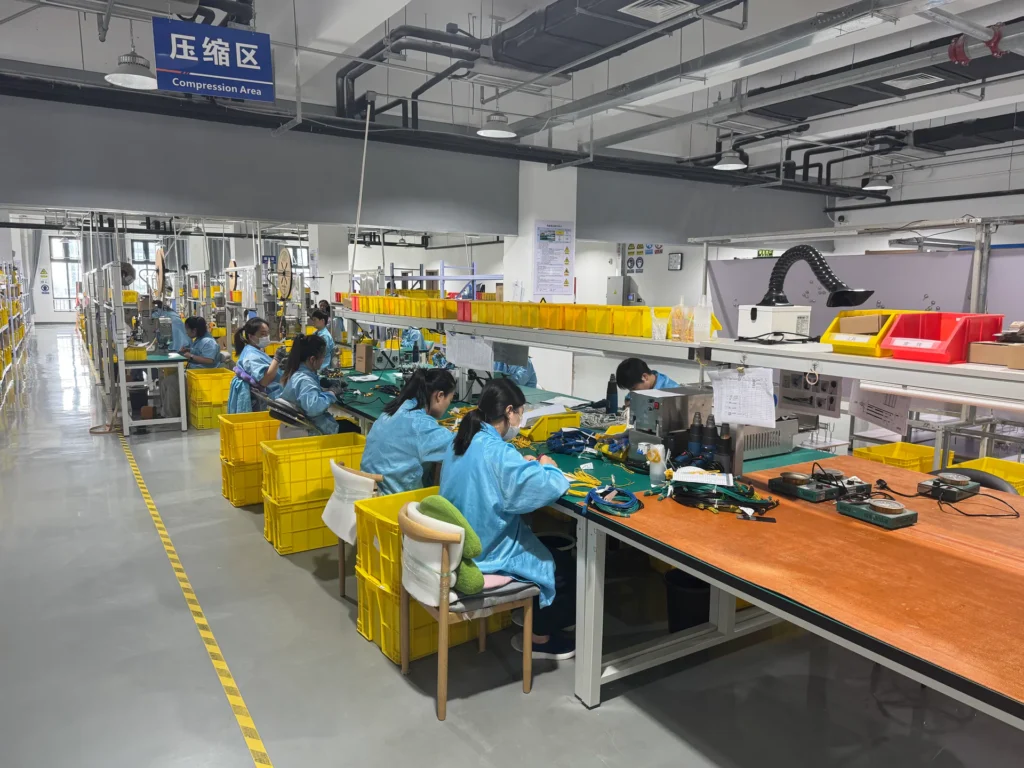
The difference lies in the application requirements and the evidence needed to demonstrate conformity. Medical equipment can require particular controls for materials, manufacturing changes, records, and environmental exposure. Other industries can also demand rigorous controls, so “medical” should never replace a detailed specification.
| Consideration | Protected internal equipment harness | External or patient-contact assembly |
|---|---|---|
| Installation | Usually secured within an enclosure | May be handled, disconnected, or moved frequently |
| Mechanical exposure | Assembly stress, vibration, local abrasion | Pulling, repeated bending, connector wear |
| Cleaning exposure | May be limited by the enclosure | May face defined disinfectants or cleaning procedures |
| Biological evaluation | Depends on whether direct or indirect body contact exists | Contact type and duration may be relevant |
| Protection | Sleeving, clips, routing clearances | Jacket durability, strain relief, sealing where specified |
| Verification | Electrical, dimensional, and workmanship checks | May also require flex, cleaning, or environmental qualification |
Two assumptions deserve particular attention:
Not every medical harness needs to withstand sterilization. That requirement depends on how the assembly is used and reprocessed.
Not every medical harness requires patient-contact materials. Biological evaluation depends on the nature of direct or indirect contact with the body, rather than simply being installed in medical equipment. The FDA explains this distinction in its biocompatibility assessment guidance.
Where Are Medical Wire Harnesses Used?
Medical wire harnesses appear in equipment that combines electrical power, controls, sensing, and communication. Their construction varies by subsystem and operating environment. The examples below illustrate typical engineering considerations; they do not imply that one harness design is suitable for every device in a category.
| Equipment category | Example connections | Questions for the OEM team |
|---|---|---|
| Patient monitoring equipment | Displays, controls, internal power, signal modules | Which circuits are sensitive to noise? Which assemblies contact patients? |
| Infusion and fluid-handling equipment | Motors, sensors, alarms, control boards | How will routing and connector retention be maintained? |
| Diagnostic and laboratory equipment | Sensors, actuators, heaters, communication modules | What thermal, chemical, and signal requirements apply? |
| Imaging equipment | Power, controls, data, specialized subsystems | Are there high-voltage, shielding, or modality-specific constraints? |
| Surgical equipment | Controls, power modules, detachable interfaces | Which assemblies experience cleaning, movement, or sterilization? |
| Powered medical furniture | Actuators, hand controls, position sensors | Where could movement cause flexing, pinching, or abrasion? |
For example, a harness near a moving mechanism needs a routing assessment across the full movement range. A static fit check may miss a pinch point that appears only during operation.
Which Design Choices Matter Most?
The most useful specification connects each design choice to a real operating requirement. Wire gauge, insulation, connectors, shielding, and protective features should be selected together. Improving one feature in isolation can create another problem, such as increasing cable stiffness or consuming space needed for a safe bend radius.
Wire Size and Electrical Loading
Select conductor size using current, allowable voltage drop, length, temperature, and installation conditions.
A wire that appears suitable in isolation may behave differently inside a tightly bundled harness. Terminal ratings and connector loading also need review.
Avoid specifying wire size solely by copying an earlier product with a different enclosure or load profile.
Insulation and Jacket Materials
Material selection should consider:
- Operating temperature.
- Voltage and insulation requirements.
- Flexibility and abrasion.
- Cleaning chemicals and exposure duration.
- Flame-performance requirements where applicable.
- Sterilization method and cycle count, if required.
A material family name alone does not establish suitability. Different formulations and finished assembly constructions can behave differently under the same exposure.
Connector Selection
Specify the complete mating system, including terminals, housings, seals, and accessories where applicable.
Review retention, polarization, mating cycles, service access, and the possibility of incorrect mating. Connector substitutions should pass through an agreed approval process because apparently similar components can have different mechanical and electrical characteristics.
Strain Relief and Routing
Mechanical loads should be managed before they reach the electrical termination.
Clamps, supports, bend control, and strain relief can protect vulnerable locations. For assemblies exposed to handling, overmolded cable assemblies may offer an appropriate construction option.
An overmold does not automatically establish a seal rating, chemical resistance, or sterilization durability. Those properties still need defined requirements and supporting verification.
Which Standards and Quality Requirements Should Buyers Consider?
Medical harness sourcing involves several different layers of requirements: supplier quality management, assembly workmanship, equipment safety, and application-specific verification. These layers support each other, but none replaces the others. Purchasing teams should establish the applicable documents and revisions with their engineering and quality teams before approving the supplier or assembly.
ISO 13485: Quality Management
ISO 13485 addresses quality management systems for medical devices and related services. It is not a blanket approval of every harness produced by a certified organization. See the ISO overview of ISO 13485.
When evaluating a supplier, review the certificate’s validity, covered legal entity, manufacturing location, and scope.
IEC 60601-1: Equipment Safety and Performance
IEC 60601-1 addresses basic safety and essential performance of medical electrical equipment. Harness design can affect the equipment’s ability to meet relevant requirements, but harness inspection alone does not demonstrate conformity of the finished device. See the IEC description of IEC 60601-1.
The equipment manufacturer should determine the applicable editions, collateral standards, and particular standards for its product and destination markets.
Assembly Workmanship and Acceptance
When IPC/WHMA-A-620 is specified, the purchase documentation should identify the applicable revision, class, and any additional customer requirements.
OUKETECH’s guide to IPC/WHMA-A-620 requirements explains how workmanship criteria relate to drawings, inspection plans, and purchasing decisions.
How Should a Medical Wire Harness Be Tested?
Testing should address the failure modes relevant to the assembly. Electrical checks can identify incorrect connections, while mechanical and environmental evaluations address different risks. Buyers should separate routine production inspection from qualification testing and define the method, acceptance limits, frequency, and required records for each.
| Inspection or test | What it helps evaluate | What buyers should define |
|---|---|---|
| Visual and dimensional inspection | Workmanship, routing features, labels, lengths | Drawing tolerances and acceptance criteria |
| Continuity and pinout testing | Connection paths, opens, shorts, miswiring | Approved connection list and test limits |
| Crimp process verification | Termination consistency | Applicable tooling, dimensions, and verification method |
| Pull-force testing | Mechanical retention of selected terminations | Method, limits, and sampling plan |
| Insulation resistance or dielectric testing | Specified insulation performance | Applicable circuits, test conditions, and precautions |
| Flex or retention testing | Durability under defined mechanical loads | Motion, load, bend radius, and cycle count |
| Cleaning or sterilization qualification | Resistance to specified reprocessing exposure | Chemistry or method, exposure conditions, and cycles |
A continuity test cannot establish long-term flex life. Likewise, a prototype that fits the enclosure does not prove resistance to repeated cleaning.
Where the harness connects to sensitive electronics, the test arrangement must also prevent inappropriate test voltages from reaching those components.
What Affects Medical Wire Harness Cost and Lead Time?
Cost depends on component selection, construction complexity, production volume, tooling, inspection, and documentation. Lead time also depends on material availability and approval cycles. A low unit price can be misleading when quotations exclude fixtures, qualification work, or records required by the buyer.
Common cost drivers include:
- Connector and terminal availability.
- Custom wire or cable requirements.
- Branch count and termination complexity.
- Shield termination and overmolding.
- Test fixture development.
- Traceability and documentation requirements.
- Packaging and labeling.
- Prototype and first-article approval.
For prototype, small-batch, high-mix, and high-volume programs, request a quotation that separates unit pricing from tooling and other one-time charges.
Also establish how revisions will be handled. A connector change after sample approval may affect tooling, material inventory, testing, and the delivery schedule.
What Should You Send to a Medical Wire Harness Manufacturer?
A useful RFQ describes both the assembly and its operating conditions. Drawings and a bill of materials give the manufacturer a controlled starting point; application details help identify missing requirements. Photos or a physical sample can support the review, but they may not reveal insulation ratings, contact materials, or acceptance limits.
Include:
- Application: Equipment type, installation location, and assembly function.
- Drawing and pinout: Dimensions, branch locations, wiring connections, and revision.
- BOM: Approved wire, connectors, terminals, and protective materials.
- Electrical conditions: Voltage, current, signal type, and shielding requirements.
- Environment: Temperature, movement, cleaning, and any sterilization exposure.
- Quality requirements: Inspection, tests, traceability, and required records.
- Order profile: Prototype quantity, batch sizes, annual demand, and target dates.
- Change controls: Rules for substitutions and approval of later revisions.
The custom wire harness quotation checklist provides a practical starting point for preparing this information.
FAQs About Medical Wire Harnesses
Does every medical wire harness need shielding?
No. Shielding should follow the signal requirements and electromagnetic environment. Some circuits may need shielding, while others rely on suitable routing, separation, or twisted-pair construction.
Can standard connectors be used in medical equipment?
Yes, if they satisfy the application’s electrical, mechanical, environmental, and documentation requirements. A connector’s suitability depends on its specific use and verification.
Are all medical wire harnesses sterilizable?
No. Sterilization suitability must be established for the finished assembly under the specified method and exposure conditions. It cannot be assumed from the wire insulation alone.
Is continuity testing enough?
Continuity testing verifies important connection details, but it does not establish every aspect of workmanship, insulation performance, mechanical durability, or environmental resistance.
Can a harness be developed from a sample?
A sample can support dimensional and construction review. Missing electrical ratings, material specifications, or acceptance criteria still need resolution before a controlled production specification can be approved.
Discuss Your Medical Wire Harness Project With OUKETECH
OUKETECH supplies custom wire harnesses and cable assemblies for equipment manufacturers, with project review based on drawings, BOMs, pinouts, samples, and defined requirements.
For a medical equipment project, share the installation environment, electrical conditions, material requirements, and inspection plan alongside your target quantities. Identify any patient-contact, cleaning, or sterilization requirements explicitly so they can be reviewed at the start.
Send your drawing and RFQ to OUKETECH to discuss manufacturing feasibility, prototype requirements, and production planning for your assembly.