

Custom wire harness MOQ and lead time are determined by more than factory capacity. Component availability, design maturity, tooling, validation, order mix and documentation can each control the schedule. A buyer who asks only “what is your minimum order?” may receive an answer that does not reflect the real program conditions.
A better approach separates prototype, pilot and recurring production. Each stage has a different purpose and cost structure. Prototypes validate fit and function; pilot builds validate the process; production orders optimize repeatability and supply continuity.
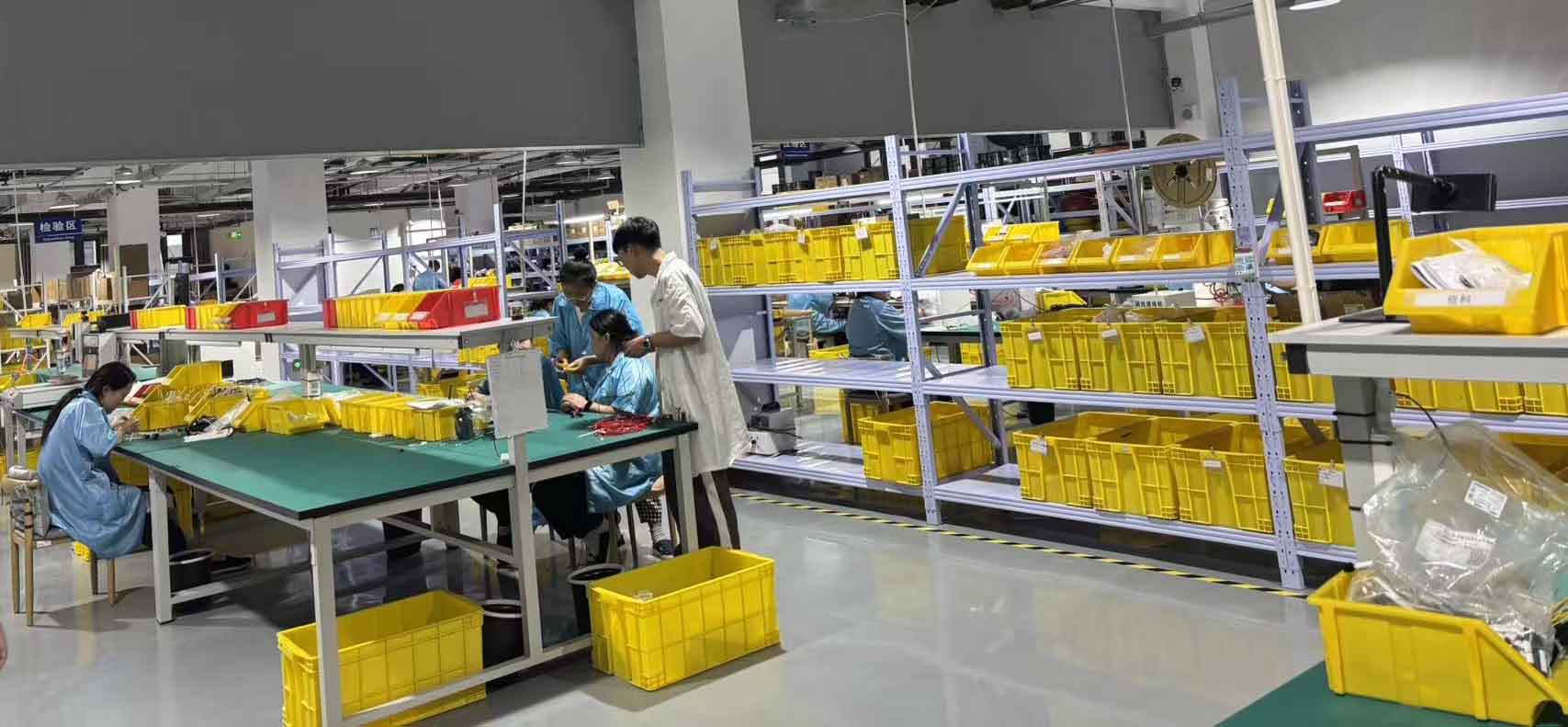
What determines the minimum order quantity?
MOQ may be driven by a supplier’s setup economics, but upstream component pack quantities are often more important. Wire reels, terminals, seals, labels and custom-color materials may have manufacturer minimums. An assembly supplier can sometimes hold excess material against a forecast, yet the commercial responsibility should be clear.
For low-volume custom cable assembly manufacturing, ask about minimum order value, component pack quantities and whether common materials can be shared across projects. This gives a more complete answer than a single piece-count MOQ.
- Connector and terminal pack quantities
- Minimum wire or tubing purchase lengths
- Setup and changeover time
- Custom labels, colors or molded components
- Shelf-life and storage requirements
Typical phases in prototype wire harness lead time
The schedule begins after technical inputs are complete, not when the first email is sent. RFQ clarification, BOM sourcing, fixture preparation, sample assembly, inspection and customer approval are distinct steps. Long-lead connectors or new overmold tooling can dominate the calendar.
Request a milestone plan with dependencies and owner names. When prototypes must use temporary tooling or substitute colors, record those deviations so they are not accidentally carried into production.
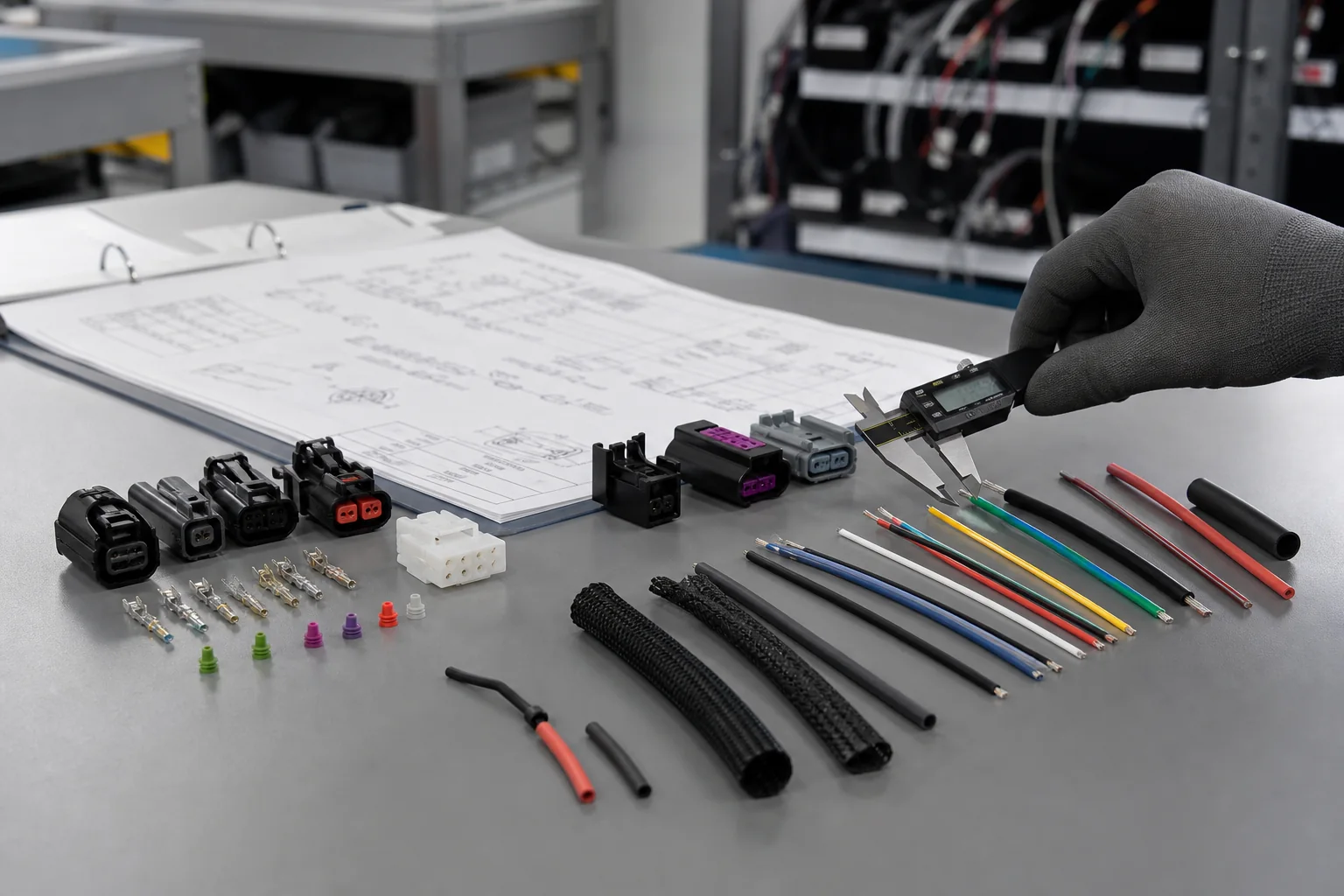
Prototype, pilot and production are not interchangeable
Related OUKETECH resources: OEM cable manufacturer.
A hand-built prototype can prove electrical function but may not demonstrate production takt time or process capability. A pilot run should use intended materials, equipment, work instructions and test methods wherever practical. This is the point to confirm packaging, labels, revision control and first-article records.
Recurring production lead time should distinguish manufacturing time from material replenishment time. A finished-goods buffer or scheduled release plan can reduce response time, but it requires a credible forecast and agreement on obsolete inventory risk.
How OEM buyers can shorten lead time
Freeze the interface requirements early, provide native drawings and answer engineering questions quickly. Approve equivalent components before shortages occur, not during an emergency. If a connector is genuinely single-source, identify it as a program risk and consider controlled safety stock.
- Send drawing, BOM, pinout and test specification together
- Mark critical-to-quality dimensions and characteristics
- Provide forecast quantities and desired release dates
- Approve sample deviations in writing
- Avoid mixing multiple drawing revisions in one order
Plan a realistic supply schedule
A supplier should confirm what starts the lead-time clock: purchase order, deposit, drawing approval, material receipt or sample approval. Put this definition in the quotation. For recurring demand, review consumption and component lead times regularly rather than waiting for a shortage.
OUKETECH supports custom wiring harness projects from sample builds through repeat production. Send your stage, target quantity, forecast and required date through the project inquiry form for a schedule based on the actual BOM.
Discuss your application with OUKETECH
How component supply, tooling, order quantity and design maturity affect prototype and production wire harness lead time. For a project-specific review, send the released files, expected quantities and required date. Open technical items can be identified before the quotation is finalized.
Questions buyers often ask
Can a supplier make only one prototype harness?
It depends on materials, setup and project fit. A single engineering sample may be feasible, while some custom materials still require a larger purchase quantity.
When does lead time officially begin?
The quotation should define it. Common triggers include approval of drawings, receipt of a purchase order or deposit, and availability of all required materials.
How should buyers handle long-lead connectors?
Confirm authorized sources, approve alternatives where engineering permits, and consider forecast-based purchasing or controlled safety stock.